Elija su idioma


Categorías
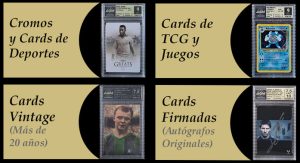

Cards TCG – Juegos
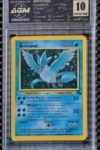 CARD: Nº AGM1235 · ARTICUNO · POKEMON [10 PRISTINE] · FOSSIL · 1999 · 2/62 · HOLO · ENGLISH
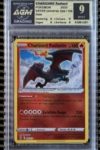 CARD: Nº AGM1281 · POKEMON · CHARIZARD RADIANT [9 MINT] · 2023 · VSTAR UNIVERSE · HOLO· #020/159 · SPANISH
 CARD: Nº AGM1715 · HO – OH V · [8 NM – MINT] · 2022 POKEMON SILVER TEMPEST #140/195 · ULTRA RARE · SPANISH
 CARD: Nº AGM1677 – POKÉMON – ZEKROM – [9 MINT] – 2025 – BLACK BOLT – ULTRA RARE #161…
 CARD: Nº AGM1843 · MEGA GENGAR EX · POKÉMON · 2025 · PHANTASMAL FLAMES · [9 MINT] · 055/094 · DOUBLE RARE – SPANIS…
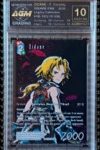 CARD: Nº AGM01573 – ZIDANE – FINAL FANTASY – [10 PRISTINE] – SQUARE ENIX 2025 – ENGLISH
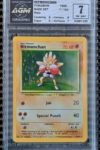 CARD: Nº AGM1229 · HITMONCHAN · POKEMON [7 NM-MINT] · BASE SET · 1999 · 7/102 · HOLO · ENGLISH
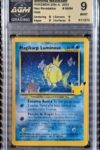 CARD: Nº K11273 · POKEMON 25th A. 2021 · SHINING MAGIKARP [9 MINT] · N. R. · HOLO · #66/64 · SPANISH
 CARD: Nº AGM1640 – PIKACHU – 2023 – POKÉMON STARRY NIGHT #085 – VAN GOGH ACG ART PROMO [9 MINT] …
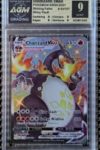 CARD: Nº AGM1240 · 2021 POKEMON SWSH · CHARIZARD VMAX [9 MINT] · SHINING FATES · #SV107 · ENGLISH
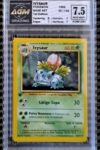 CARD: Nº AGM1260 · IVYSAUR · POKEMON [7.5 NEAR MINT+] · 1999 BASE SET · 30/102 · 1st EDITION · SPANISH
 CARD: Nº AGM1646 – POKÉMON – CETITAN EX – 2025 – DESTINED RIVALS – DOUBLE RARE #065/182 &#…
Vintage Cards
 CARD: Nº AGM1853 · GONZALVO · FC BARCELONA · 1953-54 · BRUGUERA #54 · ASES FÚTBOL · TURMO CARAMELOS PECTORALES · [6 EXC.…
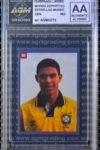 CARD: Nº AGM0272 · RONALDO · BRASIL · MUNDO DEPORTIVO [AA] #88 · 1994 · ESTRELLAS DEL MUNDO · SPANISH
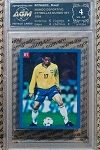 CARD: Nº K11204 · RONALDO NAZARIO [4 VG EX] · M. DEPORTIVO 1994 #81 (ESTRELLAS MUNDO) · FC BARCELONA · SPANISH
 CARD: Nº AGM1628 – POKÉMON CHARIZARD – MATUTANO – TAZO #06 – 2001 [6.5 EXC-NM+) – PORT-GRE…
 CARD: Nº AGM1798 · BUTRAGUEÑO (SPAIN) · MUNDIAL MÉXICO 96 · UPPER DECK ¡QUE MOMENTOS! #42 · [7.5 N. MINT+] · SPANISH
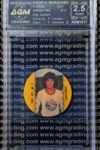 CARD: Nº AGM1517 · DIEGO A. MARADONA · [2.5 GOOD+] · 1977 · FÚTBOL ARGENTINA · ARGENTINOS JUNIORS #11· SPANISH
 CARD: Nº AGM1848 · ESCUDO · FC BARCELONA · 1953-54 · BRUGUERA #49 · ASES FÚTBOL · TURMO CARAMELOS PECTORALES · [5.5 EXCE…
 CARD: Nº AGM1824 · LEO MESSI · FC BARCELONA · MEGACRACKS 2004-05 #35 ROOKIE (BARÇA CAMPIÓ) · [7.5 NEAR MINT+] · CATALÀ
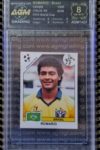 CARD: Nº AGM1423 · ROMARIO (BRASIL) [8 NM-MINT] · FWC ITALIA ’90 · 1990 #208 · INTERNATIONAL
 CARD: Nº AGM1825 · LEO MESSI · FC BARCELONA · MEGACRACKS 2004-05 #35 ROOKIE (BARÇA CAMPIÓ) · [8 NM-MINT] · CATALÀ
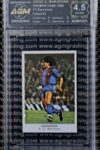 CARD: Nº AGM1521 · DIEGO A. MARADONA · [4.5 VG EX+] · CROMOS CANO 1984 · FC BARCELONA · SPANISH
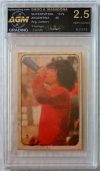 CARD: Nº K11372 · DIEGO A. MARADONA [2.5 GOOD+] · SUPERFUTBOL 1979 #5 · ARGENTINOS JRS. · SPANISH

Why Home Turf Dominates the Odds
Look: every seasoned bettor knows the phrase “home crowd” isn’t just background noise. It’s a seismic force that nudges the line makers, tilts the market, and reshapes risk. A team playing in familiar locker rooms, under the same floodlights, with supporters chanting their names—this cocktail creates a statistical distortion that most casual punters overlook. The numbers speak louder than the hype, and the data shows home teams win roughly 55–60% of the time in major leagues, a margin that translates directly into betting value.
Statistical Mechanics Behind the Phenomenon
Here is the deal: home advantage isn’t a monolith; it’s a sum of micro‑edges—travel fatigue, referee bias, even subtle changes in altitude. When you deconstruct a game, each factor adds a fraction of a percent, but together they stack up to a decisive swing. For instance, travel fatigue alone can shave 0.2 goals from the visiting side’s expected tally. Referees, whether consciously or not, award about 0.1 more fouls per home match, granting the locals extra free‑kick opportunities. Combine those with a 10% boost in shooting accuracy due to familiarity with the pitch, and you’ve got a hidden premium that the sportsbooks must account for.
Betting Implications: Where the Money Flows
And here is why you should care: odds that ignore these granular details are ripe for exploitation. Sharp bettors isolate the “true” home edge by adjusting the baseline probability, then compare it against the bookmaker’s line. If the spread is too generous—say a 1.5‑goal handicap for a team that historically covers 60% at home—you’ve found a value bet. The trick is to factor in situational modifiers: weather, injuries, and even the day of the week. A rainy night at a stadium notorious for slick surfaces can amplify the home advantage, while a sunny, high‑profile fixture might dilute it because both squads are accustomed to the spotlight.
Practical Framework for the Savvy Wager
By the way, start with a baseline home win rate for the league, then tweak it with a “home factor” coefficient: (travel distance ÷ 100) × 0.02 + (referee bias score × 0.05). Plug that into your expected goals model, and you’ll see the line shift. The moment your adjusted probability diverges from the posted odds by more than 2‑3%, you’ve uncovered a potential edge. It’s not rocket science; it’s disciplined arithmetic, blended with a dash of intuition.
Real‑World Example: The Premier League
Take a mid‑table English club playing at Old Trafford against a side that traveled over 300 miles. Their home win probability sits at 58% after adjustments, but the bookmaker lists the home win odds at 2.20 (implying a 45% chance). That gap is a red flag, a clear invitation to place a modest stake. The key is to stay disciplined, track your outcomes, and let the data dictate your action, not the hype.
Bottom Line for the Betting Pro
Here’s the actionable advice: build a spreadsheet that auto‑calculates the home factor for each fixture, cross‑reference with the market odds, and place bets only when your model shows a minimum 3% edge. Keep the stakes proportionate, and you’ll let the home field advantage work for you, not against you.
Mi Cuenta




Le recomendamos

¿Cards con Errores?

Cards Deportes
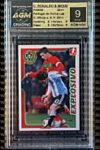 CARD: Nº AGM1404 · C. RONALDO & L. MESSI · PORTUGAL DE OURO [9 MINT] · 2011 · #126 · PORTUGUESE
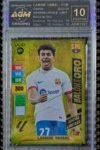 CARD: Nº AGM1557 · LAMINE YAMAL · FC BARCELONA · [10 PRISTINE] · BALÓN DE ORO E.L. · ADRENALYN XL · 2023-24 · SPANISH
 CARD: Nº AGM1866 · MODRIC · REAL MADRID · LIGA SANTANDER (EDIC. ESTE) · 2017-18 · [7.5 N. MINT+] · #16 – SPANISH
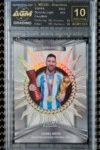 CARD: Nº AGM1594 · MESSI · ARGENTINA · [10 PRISTINE] · TOPPS DYNASTY LIGHT 2022 · #10 · FANSMALL · INT
 CARD: Nº AGM1706 – LAMINE YAMAL – 2024 – TOPPS – EURO 2024 – SPAIN PTW – [8 NM-MINT]…
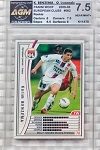 CARD: Nº K11378 · KARIM BENZEMA [7.5 NM+] · WCCF EUROPEAN CLUBS 2005-06 #092 · ROOKIE · O. LYON · JAPANESE
 CARD: Nº AGM1903 · UNAI SIMÓN · ESPAÑA · FIFA WORLD CUP 2026 · ESP2 · [8 NM MINT] · SPANISH
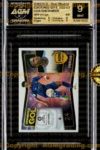 CARD: Nº AGM1822 · VINICIUS · REAL MADRID · LIGA ESTE 2022-23 · ADN LA LIGA #26 · [9 MINT] · SPANISH
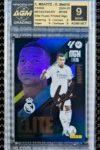 CARD: Nº AGM1607 · K. MBAPPÉ · REAL MADRID · [9 MINT] · MEGACRACKS 2024-25 · #P498 SIGNATURE PRINTED · SPANISH
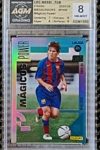 CARD: Nº AGM1358 · LEO MESSI · FCB · [8 NM-MINT] · MGK · 2023-24 · #P439 · SPANISH
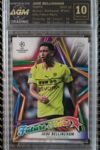 CARD: Nº K11265 · J. BELLINGHAM [10 PRISTINE] · B. DORTMUND · TOPPS UCL F. STARS 2021-22 #FS02 · ENGLISH
Cards Autógrafos
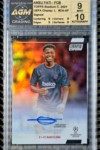 CARD: Nº AGM1600 · ANSU FATI · FCB · [10 AUTOGRAPH – 9 MINT] · TOPPS STADIUM C · 2021 · UCL #CA-AF · ORIGINAL SIGN…
 CARD: Nº AGM1703 · FERMÍN LÓPEZ · FC BARCELONA · [10 PRISTINE · 10 AUTOGRAPH] · TOPPS CHROME 2023-24 · #CA-FL · ORIGINAL…
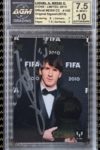 CARD: Nº AGM1332 · LEO MESSI · ICONS LIMITED [10 AUTO · 7.5 N. MINT+] · 2013 · ORIGINAL SIGNED · #102 · ENGLISH
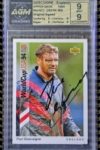 CARD: Nº AGM1424 · PAUL CASGOIGNE · ENGLAND [9 MINT / 9 ORIGINAL SIGNED] · UPPER DECK WORLD CUP USA ’94 · #56 · EN…
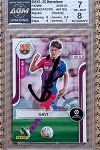 CARD: Nº K11188 · GAVI · [7 NM · 8 AUTOGRAPH] · FC BARCELONA · MGK 2021-22 · #67 BIS (ROOKIE) · SPANISH
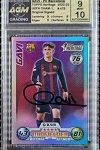 CARD: Nº AGM1237 · GAVI · FC BARCELONA [9 MINT / 10 ORIGINAL SIGNED] · TOPPS HERITAGE UCL 2022-23 · #475 · ENGLISH
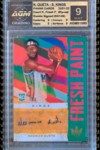 CARD: Nº AGM01580 – N. QUETA (S. KINGS) – [9 MINT] – PANINI CARDS COURT K. 2021-22 ROOKIE – ORIG…
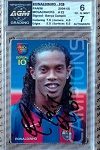 CARD: Nº K11211 · RONALDINHO [6 EX-N. MINT · 7 AUTOGRAPH] · FC BARCELONA · MGK 2004-05 · #13 · CATALÀ
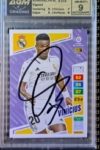 CARD: Nº AGM1403 · VINICIUS · REAL MADRID [8.5 NM MINT+ / 9 ORIGINAL SIGNED] · ADRENALYN XL 2022-23 · #216 · SPANISH
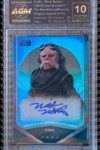 CARD: Nº AGM01578 – KUIIL (Nick Nolte) – TOP STAR WARS 2021 – [10 PRISTINE] – THE MANDALORIAN &#…
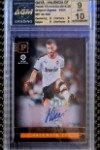 CARD: Nº AGM1568 · GAYÀ · VALENCIA CF · [9 MINT · 10 AUTOGRAPH] · PANINI CHRONICLES 2019-20 · 051 OF 300 · ORIGINAL SIGN…
 CARD: Nº AGM1885 · NACHO · REAL MADRID · FUTERA 2024 · UNIQUE AUTOGRAPH · #FXUN17 · [10 PRISTINE · 10 AUTOGRAPH] · ENGLI…
